
What to Know Before Planning Sports Turf Installation
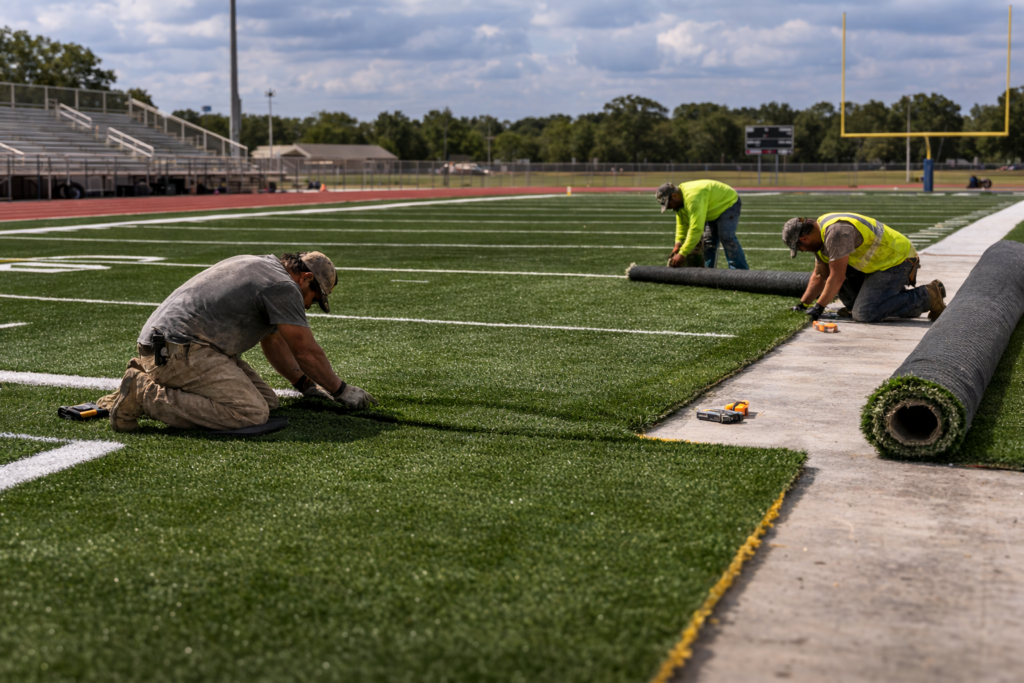
Blog Post What to Know Before Planning Sports Turf Installation Sports fields get a lot of use. Players run, jump, and practice on them almost every day. The weather also affects the surface. Rain, heat, and sun can damage natural grass. After many games and practices, the grass can become worn, muddy, and uneven. When this happens, the field may not perform well and can even become unsafe for athletes. Planning sports turf installation can help solve these problems. Artificial turf provides a strong, dependable playing surface. It is designed to withstand frequent use while still looking clean and even. Austin Turf Pros LLC in Austin, TX, helps schools, parks, and sports facilities install durable athletic turf systems that support safe play and long-term performance. If you want to learn more about turf solutions for sports areas, you can check out our services to see how artificial turf can improve outdoor fields and recreation spaces. Why Sports Turf Installation Is a Smart Investment Sports turf installation is becoming more common for athletic fields. Many schools and sports programs share the same field. Teams practice regularly, and games are held every week. Natural grass cannot always handle that amount of use. It can wear out quickly and require constant repair. Artificial turf offers a reliable solution. It stays strong even when many athletes use the field. Instead of repeatedly fixing damaged grass, facilities can use a surface that stays consistent. Some of the most common benefits of sports turf installation include: Consistent playing conditions during the season Less downtime after rain or heavy use Lower maintenance needs than natural grass Better durability for high-traffic areas Less water use compared to irrigated grass fields Because of these benefits, sports turf is used for football fields, soccer fields, training areas, and community sports parks. Key Factors to Consider Before Sports Turf Installation Before starting a sports turf installation project, it is important to assess the field’s needs. Every sports facility is different. Careful planning helps ensure the turf system works well for many years. Several important factors should be considered before installation begins. Field Usage and Sport Type Different sports need different field surfaces. Football fields often require extra padding to help absorb contact and tackles. Soccer fields may focus more on traction and ball movement. Knowing how the field will be used helps determine the right turf system. Player Safety Player safety is always a top priority. Athletes move quickly during games. They run, jump, and change direction often. A stable field helps prevent slips and injuries. Many modern turf systems include padding layers and special infill materials that help reduce impact and support player movement. Drainage Systems Drainage is an important part of sports turf installation. If water cannot drain properly, it may collect under the turf. It can lead to uneven areas or damage over time. A strong base allows water to move through the turf and drain away from the playing surface. Climate Conditions The weather also affects turf performance. Sports facilities in Austin, TX experience strong sunlight and warm temperatures during much of the year. Turf systems made for warm climates help maintain durability and comfort for athletes. Choosing the Right Turf System Not every artificial turf system is the same. Some are designed for light recreation, while others are made for competitive sports. Choosing the right turf helps ensure the field performs well and remains safe. A complete sports turf system includes several parts. Turf Fibers Turf fibers are the blades that look like grass. Good turf fibers are strong and flexible. They keep their shape even after many games and practices. Infill Materials Infill sits between the turf blades. It helps keep the blades standing upright and adds cushioning for athletes. Many turf systems use rubber, sand, or a mix of both. Shock Pads Shock pads may be placed under the turf surface. These pads help absorb impact and enhance player safety during sports activities. Strong Backing and Seams Turf is installed in sections. These sections must be carefully joined together. Strong backing materials and sealed seams help keep the turf stable during heavy use. Facilities that want to learn more about artificial turf systems and outdoor improvements can also browse our blog for more helpful tips and information. Preparing the Field Before Turf Installation Field preparation is one of the most important steps in sports turf installation. Even the best turf materials will not perform well if the ground under the field is not properly prepared. The process usually begins by removing the existing grass or soil. It allows installers to create a new base that supports the turf system. Several steps are usually included in field preparation: Removing grass, soil, and debris from the field Installing a compacted stone or gravel base Grading the surface to help water drain properly Installing drainage systems under the turf Adding shock padding when needed These steps create a stable foundation for the turf system. A strong base helps prevent uneven surfaces and improves drainage. Maintenance Requirements for Sports Turf Fields Artificial turf requires less maintenance than natural grass. However, regular care is still important to keep the field in good condition. Maintenance helps ensure the turf stays clean and safe for athletes. Routine care may include brushing the turf fibers to keep them upright. Dirt, leaves, and debris should also be removed from the surface. Over time, infill materials may need to be adjusted to keep the turf comfortable and stable. Maintenance can also include checking seams and inspecting drainage systems. These simple steps help extend the life of the turf system and keep the field ready for games and practices. Long-Term Benefits of Sports Turf Installation Sports turf installation offers many long-term benefits for schools, parks, and sports organizations. Facilities that host frequent practices and games often find that artificial turf reduces maintenance work and field closures. Natural grass fields often need time to recover after heavy use or rain. Artificial turf can handle more